Load Index and Speed Rating: Choosing the Right Tyre Specs for Safety and Performance
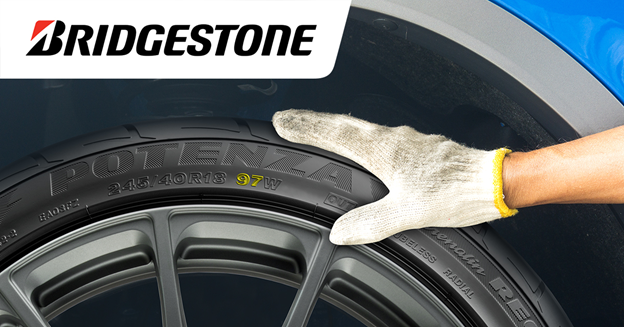
When it’s time to get new tyres, you’re probably thinking of the right tyre size for your vehicle. But have you also thought about its load index and speed rating? These markings on the tyre sidewall, specifically the last two figures may not be a priority for many but are crucial for ensuring your safety and your vehicle’s performance. Before you choose your new tyres, take a moment to understand what these markings mean and how they influence your driving experience.
Understanding Load Index
A tyre’s load index is typically displayed alongside its speed rating, like “91S”. The “91” denotes the tyre’s load index, indicating how much weight in kilograms, it can support when proper tyre inflation is maintained. Selecting the appropriate load index is important, especially for drivers who may often carry heavy loads or travel with passengers, as is often the case with models like the Toyota Hilux. Always refer to your vehicle’s manual or the manufacturer’s specifications to ensure you choose tyres that meet the necessary load capacity.
Understanding Speed Rating
A tyre’s speed rating is represented by a letter that indicates the maximum speed the tyre can safely handle. For instance, a tyre rated "H" can safely perform at speeds up to 209 km/h, making it suitable for models like the Honda City. This rating is crucial for ensuring that your tyres can cope with the speeds you typically drive, particularly on highways. In our country where highways can see high-speed traffic, choosing tyres that meet or exceed your vehicle’s speed requirements is essential to maintain proper handling.
Understanding the Link Between Tyre Load Index and Speed Rating
Load index and speed rating work together to determine your tyre's overall performance. It's essential to match both specifications to your vehicle’s requirements. A high-speed vehicle fitted with tyres that have a low load index may perform poorly under stress, while a heavy vehicle with tyres rated for lower speeds can be unsafe during high-speed travel.
Choosing the Right Tyre Specs
To select the right tyres for your vehicle, start by assessing your driving habits and the conditions you typically encounter. If you often carry heavy loads whether it’s passengers, cargo, or both, it’s best to opt for tyres with a higher load index. A higher load index means the tyre can support more weight without compromising performance or safety. Using tyres with lower load indexes in this context can lead to increased wear, reduced handling, and even a tyre puncture or blowout. Lower load index tyres are more suitable for smaller vehicles or those that don’t typically carry heavy weights like the Perodua Bezza.
When it comes to speed ratings, understanding the implications of both high and low ratings is vital. A higher speed rating (such as "W" for up to 270 km/h) indicates that the tyre is designed to handle greater speeds, which is important for high-performance vehicles or regular highway driving. A lower speed rating (like "T," for up to 190 km/h) may be appropriate for vehicles that operate primarily in urban settings or for drivers who do not frequently exceed speed limits.
By ensuring your tyres meet these required specifications, you enhance both your safety behind the wheel and your vehicle’s performance. Make informed choices, consult professionals when in doubt, and practice good tyre care for a safer journey on your next drive. If you’re looking to find new tyres for your vehicle, browse our Bridgestone Tyre Catalogue to discover tyres that perfectly suit your driving habits.